 English (UK)
  Español
  Italiano
  Deutsch
  Français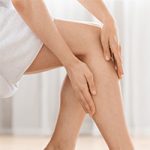
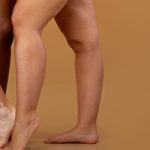

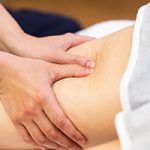


Lipedema is a progressive fatty tissue disease which almost exclusively affects women and is characterized by an accumulation of pathological fat in the lower extremities, mainly in the legs and thighs.
For this reason, it is a condition that can often cause not only health problems, but also emotional problems such as low self-esteem or lack of confidence. For this reason, it is important to know identify if you suffer from lipedema in order to start the treatment appropriate. All this from the hand of a specialist who can make the diagnosis and determine the treatment.

Main characteristics of lipedema
If you want to know if you suffer from lipedema, but you don't know how to do it. You can identify some of the main features, so that you can go to the specialist doctor to begin treating this condition.
Within the main characteristics of lipedema the following are found:
- Asymmetrical fat accumulation: Lipedema usually affects the lower extremities asymmetrically, being more noticeable on one side than the other.
- Pain: Lipedema can cause pain, especially in the legs and thighs. The pain can be acute or chronic, and may worsen with exercise or physical activity.
- Sensitivity: The skin in areas affected by lipedema may be more sensitive to touch than normal skin.
- Inflammation: Lipedema can cause swelling in the affected areas. In turn, inflammation can cause swelling, redness and heat.
Stages of lipedema
In addition to its characteristics, it is important to know that the lipedema It is classified into four stages, depending on the severity of the fat accumulation. These are:
Stage I: Mild fat accumulation
In this state, fat accumulation is mild and is limited to the upper part of the legs, below the hips. The skin has a uniform appearance, and may have some orange peel texture when clamping it. The pain is usually mild and may worsen with exercise or physical activity.
Stage II: Moderate fat accumulation
In this stage fat accumulation is more noticeable and spreads through the legs up to the knees. The skin may have a more pronounced orange peel texture. The pain is usually more intense and may be constant.
Stage III: Severe fat accumulation
In addition to being more noticeable, the accumulation of fat spreads throughout the legs to ankles. The skin may have the same texture as orange peel, but much more pronounced, while the pain is very intense and can interfere with daily activities.
Stage IV: Very severe fat accumulation
In this last state, the accumulation of fat is extreme and can affect the arms. The skin may have a very pronounced orange peel texture and may be edematous. In this last instance, the pain is usually extremely intense and can be disabling.
It is important to take into consideration that the progression of lipedema is variable. In some cases, lipedema can progress slowly over years, while in other cases it can progress rapidly. At the same time, it must be taken into consideration that the diagnosis of lipedema It is based on clinical symptoms and signs. There is no specific test to diagnose lipedema.

Treatment for lipedema
As for the lipedema treatment, we can say that it depends on the state of the disease and the symptoms. In mild states, conservative treatment, such as diet, exercise, and physical therapy, may be sufficient to improve symptoms. In more advanced stages, liposuction may be the most effective treatment.
As you can see, lipedema is a disease chronic that has no cure, but there are treatments that can help improve symptoms and appearance. The most effective treatment for lipedema is liposuction, which is a surgical procedure used to eliminate localized fat.
Other treatments that can help improve lipedema symptoms are:
- Keep a healthy diet It can help maintain a healthy weight and reduce stress on the lymphatic system.
- He exercise can help improve circulation and reduce pain.
- The physiotherapy It is ideal for improving strength and muscle tone.
Lipedema is a disease that can significantly affect the quality of life of women who suffer from it. It is important to know the lipedema symptoms to be able to diagnose it and receive the appropriate treatment.
To do this, it is best to go to a doctor who specializes in the area, who is capable of giving the diagnosis and appropriate treatment. Therefore, we recommend that you contact Lipepedia, where, in addition, you can find all the information you need on this topic.




