English (UK)
  Español
  Italiano
  Deutsch
  Français
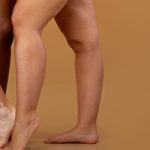

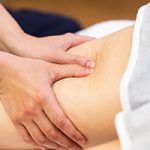


Lipedema is a chronic condition which is characterized by an abnormal increase in fat in the extremities, especially the legs and arms. Lipedema can affect people of all ages and both sexes, but is more common in women.
There is no cure for lipedema, but there are treatments that can help control symptoms. One of these treatments being special attention to nutrition. It is for this reason that, below, we want to tell you how improving your diet can be essential to improve this condition.

The importance of a healthy diet
A healthy diet is essential for recovery from lipedema. Mainly, a healthy diet It should include a variety of foods from all food groups, with an emphasis on whole foods, low in saturated and trans fats, and high in fiber.
The benefits of a healthy diet for lipedema include:
- weight control: Weight loss can help reduce the amount of fat in your extremities.
- Reduction of inflammation: Inflammation is a contributing factor to lipedema symptoms. A healthy diet can help reduce inflammation.
- Improved physical function: A healthy diet can help improve physical function and reduce the risk of lipedema-related complications, such as arthritis.
Appropriate foods for lipedema
Some foods that are especially beneficial for people with lipedema include:
- Fruits and vegetables: Fruits and vegetables are low in calories and fat, and are rich in vitamins, minerals and fiber. Fruits and vegetables are also a good source of antioxidants, which can help protect cells from damage.
- Whole grains: Whole grains are a good source of fiber, which can help control weight and reduce the risk of lipedema-related complications. Whole grains are also a good source of vitamins, minerals and antioxidants.
- Legumes: Legumes are a good source of protein, fiber and iron. Legumes are also a good source of antioxidants.
- Fish: Fish is a good source of protein and omega-3 fatty acids, which have anti-inflammatory properties that can help reduce swelling associated with lipedema.
Avoid processed foods
Processed foods should be avoided or limited as much as possible. Processed foods are often high in saturated and trans fats, added sugars, and salt, all of which can worsen lipedema symptoms.
Some processed foods to avoid or limit include:
- Processed meats, such as sausages, bacon and ham.
- Food fried.
- Sodas and drinks sugary.
- Sweet foods, such as cakes, cookies and ice cream.
- Products of bakery, like white bread and cookies.
- Prepared and pre-cooked meals.
How to maintain a balanced diet
It is important to maintain a balanced diet to get all the nutrients your body needs. It is also important eat regularly to avoid binge eating.
If you have the lipedema, it is important to talk to your doctor or a registered dietitian about how to adapt your diet to meet your individual needs.
Importance of exercise for the treatment of lipedema
In addition to a healthy diet, there are other factors that can help improve lipedema symptoms, such as exercise and stress management.
Exercise is another important part of lipedema treatment, because it can help control weight, reduce inflammation, and improve physical function. It is important to note that the type of exercise that is best for people with lipedema is aerobic exercise low impact, such as walking, swimming or cycling.
Low-impact aerobic exercise can help burn calories, reduce inflammation, and improve blood flow. It is also important to carry out strength exercises to strengthen muscles. Strong muscles can help support the extra weight of fat in your extremities.

Why you should control stress if you suffer from lipedema
Stress can also worsen lipedema symptoms. Since, stress can cause the release of hormones that can promote fat accumulation. This is why it is recommended to use stress management techniques, such as meditation, yoga or deep breathing, which can help reduce stress and progressively improve the symptoms of this chronic condition.
If you have lipedema, it is important to work with your doctor or a registered dietitian to develop a treatment plan that suits your individual needs. Also, remember that if you are not yet in treatment or if you don't know who to turn to, you can contact Lipepedia, where you will not only find all the information you need about this condition, but you can also start your treatment with the support of the best specialists.