English (UK)
  Español
  Italiano
  Deutsch
  Français
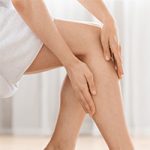
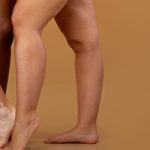


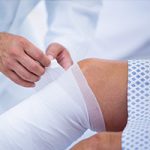
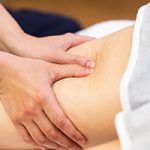


At present, the lipedema It is still an unknown subject for a large part of the population. Is chronic diseasea of adipose tissue affects the women in most cases and produces physical consequences such as tenderness, swelling, pain to the touch, as well as physical consequences that deteriorate the self-esteem of the patients.
He lipedema is often confused with obesity or cellulite and this is due to the little knowledge that still exists about this disease rare. For distinguish the lipedema of other affections, it is necessary to know certain data that characterize the lipedema as for example that the fat accumulates in the subcutaneous tissue of the legs or arms, forming fat nodules.

Lipedema and women
Lipedema was declared a disease by the WHO in 2018. This tells us that it is a disease that has been recognized as such for only a few years and for this reason it is a great unknown for the majority of the population. There is so little information about it that even the patients who have lipedema, they don't know really what is it what happens to them
This disease is predominant in the female sex and generally they tend to have serious difficulties to receive a diagnosis correct. Lipedema is sometimes confused with cellulitis or the lymphedema.
Causes
Today it is not known exact cause why some women suffer from lipedema, but one can distinguish between different factors who are involved in the development of lipedema. First of all, it should be noted that there are numerous studies that associate this disease with a genetic predisposition, that is, there are several cases in the same family group, so there could be a hereditary component.
By affecting mainly the women, are also considered hormones as a factor in its development. Lipedema is also related to a alteration in the way fat is stored that the human body has. In patients presenting with lipedema, fat accumulates disproportionately in the legs, buttocks and sometimes in the arms.
In some people, lipedema coexists with other conditions such as polycystic ovary syndrome or hypothyroidism. There are also some studies that affirm the possible relationship between the development of this disease with the consumption of certain medicines such as corticosteroids and antidepressants.
Symptoms
As we have mentioned before, lipedema is characterized by the disproportionate accumulation of fat in the legs. Below are some of the symptoms more common:
- Disproportion between legs and arms
- Bruising predisposition
- Varicose veins and spider veins
- Increased sensitivity to cold
- Tenderness to touch and pressure
- local fibrosis
- “trunk” appearance on the extremities
- Subcutaneous fat that is soft and painful to the touch
- Feeling of heaviness in the affected extremities
There are cases of some patients presenting more or less symptoms of the mentioned at once. The symptoms may vary since it depends on the level of intensity of the disease that you have.

Treatments
The symptoms may be different in each patient as well as their intensity so a specialist must be in charge of assessing and offering the treatment or treatments that best suit the needs of each person.
The most common and recommended treatments for lipedema are the following:
- Non-surgical treatments: To end pain and discomfort, these three treatments are recommended: compression stockings, manual lymphatic drainage and pressotherapy.
- Surgical treatments: They are recommended when the lipedema reaches high levels that cannot be treated without surgery. There are the following: water-assisted liposuction, tumescent liposuction, and power-assisted liposuction.
- Exercise: It is important for people with lipedema to engage in low-impact physical exercise such as walking, yoga, or swimming to improve mobility. In addition, exercise seeks to improve blood and lymphatic circulation, as well as reduce inflammation that causes lipedema.
- Nutrition: It is important to note that lipedema is not related to food, so it does not depend on whether the person has a balanced diet or not. That being said, it is important to adjust your diet to help the recovery process.
If you like know more about this disease or have questions, do not hesitate to contact with us now. Our Specialized Team will assist you to offer you all the information you need. you can also get more information about lipedema in our Blog.