 English (UK)
  Español
  Italiano
  Deutsch
  Français
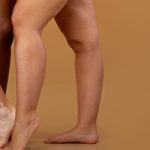






Many people, especially women, have cellulite, a common problem. The dimpled appearance of the skin, particularly on the thighs and buttocks, sets it apart. It's crucial differentiate cellulite from lipedema, a disease that can similar symptoms. We will be analyzing the differences between the two, as well as how lipedema affects the lives of people who suffer from it.

Differences between cellulite and lipedema
Although at first glance they may appear similar, there are important differences in terms of their origin, appearance, and treatment.
Origin
The cellulitis It is mainly caused by the accumulation of oil and toxins in the skin cells. Poor blood circulation and fluid retention may also be related. On the other hand, the lipedema It is a chronic condition in which fat accumulates disproportionately in specific areas of the body, such as the legs and arms. He lipedema it is a genetic and hormonal disorder, unlike cellulite.
Appearance
Dimples in the skin that have the texture of an orange peel are a sign of cellulite. Touching or pinching the affected skin usually makes it more apparent. On the other hand, lipedema is the excessive accumulation of adipose tissue in specific areas of the body that makes the body appear disproportionate.
Clinically, lipedema manifests as an abnormal, symmetrical, and exaggerated accumulation of adipose tissue. In the more advanced stages, it is often found on the arms, then on the stomach, then on the legs.
It is this imbalance at the level of the deep fat layer, or yellow fat, that differentiates it from cellulite, which is homogeneous and occurs at a much lower level. Lipedema is a condition that affects particular parts of the thighs, the ankles and the legs. It is not always associated with obesity or cellulite. This excessive growth can cause the lymphatic system to fail.
Lipedema, unlike cellulite, does not improve with weight loss and may even worsen.
Symptoms
Lipedema, in addition to its outward appearance, may present additional symptoms not found in cellulite. These may include pain and tenderness in the affected areas, the likelihood of developing bruising, chronic fatigue and inflammation. These symptoms can have a significant impact on the quality of life of people with lipedema.
Treatment for lipedema
It is feasible to identify lipedema, despite the difficulty of the procedure. Consequently, it should be entrusted to a pathology specialist. The patient must undergo a Physical exam complete by the doctor, who must also review your medical history (background and evolution). Two treatments are available if the final evaluation confirms that the patient has the condition.
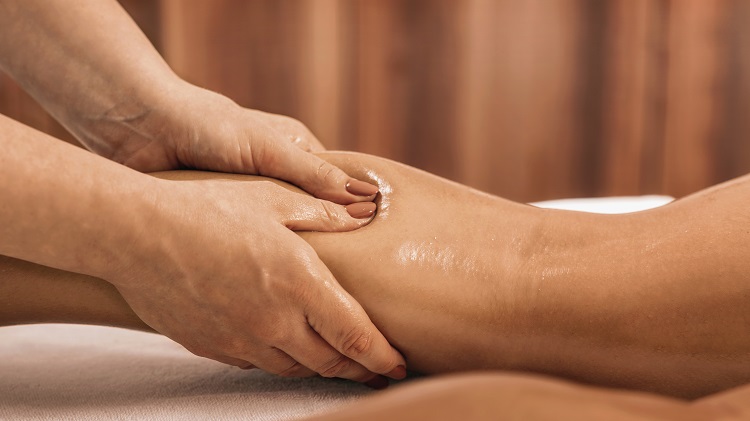
Conservative: it does provide some relief from symptoms and discomfort, but the gap just gets smaller. Manual lymphatic drainage and therapies are used to decrease fibrosis and improve fluid flow through the skin. The use of garments of compression lymphatic and the swimming are other suggested activities.
Surgically: Waterjet-assisted liposuction (WALL) is the procedure most often used to treat lipedema. Unlike traditional liposuction methods, the WAL procedure uses a flat, fan-shaped jet of water to gently remove fat from the tissue structure before vacuuming it out. Since the intermittent lymphatic systems, connective tissue, nerves and blood arteries will be considerably less tense, it is essential to treat lipedema.
How does lipedema affect people's lives?
Lipedema not only has a physical impact, but it can also affect the daily and emotional life of those who suffer from it. Here are some of the ways you can influence people's lives:
- Chronic pain: Lipedema can cause pain constant in affected areas, which can make it difficult to perform daily activities and affect mobility.
- mobility restrictions: The accumulation of fat in lipedema can make it more hard to move and make it more difficult to exercise or do physical activities.
- emotional effect: Lipedema can negatively affect body image and self-esteem of a person. Due to physical appearance and the limitations that come with it, sufferers may experience embarrassment, anxiety and depression.
- Barriers to healthcare: Lack of awareness about lipedema leads many to go years without a diagnosis appropriate. This can result in a lack of medical understanding and support, making it difficult to find effective treatment options.
It is essential to seek help and support if you think you may be suffering from lipedema. Seeking specialized medical care for lipedema can change your life. For more information and guidance on lipedema and the treatment options available, please do not hesitate to contact contact us, from Lipepedia we are willing to provide you with all the necessary help.




One Comment
I'll right away seize your rss as I can't in finding your e-mail subscription hyperlink or newsletter service.
Do you've any? Kindly allow me understand so that I could subscribe.
Thanks.