English (UK)
  Español
  Italiano
  Deutsch
  Français

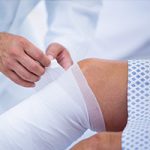
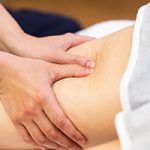


He lipedema It is a health problem that can seriously affect those who suffer from it; especially if there is no adequate treatment for it. This is why on this occasion we want to tell you a little about the non-surgical treatments to treat lipedema.
We talk about a chronic illness which is characterized by an increase in fat in the lower and upper extremities, symmetrically. It is a disease that mainly affects women; and which can cause a series of symptoms, such as pain, heaviness, inflammation Y difficulty to exercise.
In the first instance we must know that the lipedema treatment It is not simple, and in some cases it may require a surgical approach. However, there are also a series of non-surgical treatments that can help improve symptoms and quality of life for people with lipedema. Although, of course, before using any of these treatments, it is essential to consult with a specialist to ensure that the selected method is the most appropriate.

What are the non-surgical treatments to treat lipedema?
There are various ways to treat lipedema, choosing non-surgical alternatives. Below, we show you some of the most notable treatments:
Complex decongestive therapy (CDT)
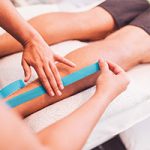
TDC is a comprehensive treatment that combines different techniques; such as manual lymphatic drainage, also known as MLD, pressotherapy, compression bandaging and physical exercise. The goal of DBT is to reduce inflammation, improve lymph flow, and promote fat loss; By achieving these three main objectives, it is possible to obtain favorable results without having to resort to surgical treatments.
Manual lymphatic drainage (MLD)
On the other hand, the DLM is a massage technique which helps stimulate lymphatic drainage. Lymphatic drainage is a natural process of the body that helps eliminate fluids and toxins from the body; so it could be said that it is a quite natural procedure, capable of generating extremely favorable results.
Pressotherapy
Regarding pressotherapy, we can highlight that it is a process that uses air pressure to help drain fluids from the body. Pressotherapy can be used in addition to DLM or in isolation; In both cases, it is capable of contributing favorably to the treatment of lipidemia.
Compression bandage treatments
Another commonly known alternative is compressive bandage; which is a technique that uses bandages to apply pressure to extremities affected by lipedema. The compression bandage helps reduce inflammation and improves lymph flow; hence it is a prominent option when looking for non-surgical treatments.
As you will see, there are different non-surgical treatments when it comes to minimizing the consequences of lipidemia, understanding that this is a problem that can affect the physical and emotional state of the patient. However, it must be taken into consideration that, when selecting any of these options, you have the advice of a specialist who is capable of determining which of the treatments is indicated.
Other non-surgical treatments
In addition to the treatments mentioned above, there are other non-surgical treatments that can help improve lipedema symptoms. These treatments include:
- Healthy diet: a healthy diet Including fruits, vegetables and whole grains can help reduce inflammation and improve general health, in addition to being a perfect complement to the different treatments that may be applied.
- Hormonal therapy: in some cases, hormone therapy may help reduce inflammation and improve lipedema symptoms. However, it may be a suitable treatment only for some patients, which means that a prior evaluation is necessary.
- Physical exercise: is an important part of lipedema treatment. He exercise helps reduce inflammation, improve blood flow and promote fat loss.
What is the ideal treatment for me?
The right treatment for lipedema depends on the severity of the symptoms, the person's preferences and their objectives. In some cases, nonsurgical treatment may be enough to improve the person's symptoms and quality of life. In other cases, a surgical approach may be necessary.
It is important to consult with a doctor or lipedema specialist to determine the appropriate treatment. If you still don't know where to go to start your lipidemia treatment, we recommend you contact Lipepedia, where you will not only be able to learn more details about this condition, but you will also be able to receive the proper advice to determine which of the non-surgical treatments may best respond to your particular situation, thereby increasing the chances of success.