 English (UK)
  Español
  Italiano
  Deutsch
  Français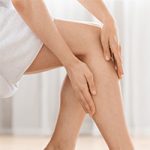
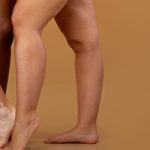


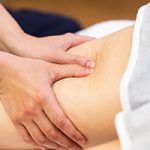


Lipedema is a chronic and progressive disease of adipose tissue that mainly affects women. It is characterized by a abnormal, symmetrical accumulation of fat in the lower body, most commonly in the buttocks, thighs and calves. The fat deposits in lipedema are painful and tender, and can easily cause bruising and swelling.
He lipedema It is not caused by obesity and does not respond to diet or exercise. It is believed to be genetic and has no cure. However, there are treatments that can help control symptoms and improve quality of life.

Symptoms
- Abnormal fat accumulation: The most common symptom of lipedema is an abnormal accumulation of fat in the lower body. This fat is generally distributed in a “saddlebag” pattern, with the greatest amount of fat in the buttocks and thighs.
- Pain: Lipedema fat is often painful and tender. The pain may worsen during menstruation, pregnancy, and hot weather.
- Bruises: The bruises are common in people with this condition, even for minor injuries.
- Easy swelling: Affected areas may swell easily, especially after standing or sitting for long periods of time.
- Other symptoms: Other symptoms may include: fatigue, restlessness, anxiety, depression and difficulty moving.
Phases of lipedema
He lipedema It is generally divided into four stages:
- 1: Fat deposits are limited to the buttocks and thighs.
- 2: Fat deposits extend to the inside of the knees.
- 3: Fat deposits extend to the lower legs.
- 4: Fat deposits extend to the ankles and feet.
Causes of lipedema
The causes of lipedema are not completely known, but it is considered that It is a multifactorial disease, which means that several factors contribute to its development.
The main factors involved include:
Genetic factors
- Hereditary predisposition: A strong family predisposition to lipedema, with a higher prevalence in women with mothers or sisters who also suffer from it.
- Associated genes: They have been identified genetic variations on specific chromosomes which could be related to the development of lipedema, although more research is required to fully understand their role.
Hormonal factors
- Hormonal influence: hormonal changes throughout a woman's life, such as puberty, pregnancy, and menopause, can trigger or worsen symptoms.
- Role of Estrogen: Estrogen is thought to play an important role in the abnormal fat distribution in lipedema.
Inflammatory factors
- Inflammatory response: A chronic inflammation in adipose tissues affected by lipedema, which could contribute to the development and progression of the disease.
- Immune system dysfunction: It is suggested that an alteration in the immune response could be involved in the Chronic inflamation present in lipedema.
Environmental factors
- Lifestyle: Factors such as sedentary lifestyle, unhealthy diet and smoking may increase the risk of developing lipedema or worsen its symptoms.
It is important to highlight that:
- None of these factors alone cause lipedema.
- The combination of these factors in individuals with a genetic predisposition is what probably leads to the development of the disease.
- Research continues to better understand the exact causes of this condition and develop more effective treatments.
If you are concerned about lipedema, it is important to consult with a specialist doctor, such as a dermatologist or plastic surgeon, to obtain an accurate diagnosis and discuss available treatment options.
Diagnosis of lipedema:
There is no single test for diagnose lipedema. The diagnosis is usually based on a combination of:
- Medical history: The doctor will ask you about your symptoms, family history, and lifestyle.
- Physical exam: The doctor will examine the lower part of your body for signs of the condition.
- Imaging tests: Imaging tests, such as ultrasound or MRI, may be used to rule out other causes of your symptoms.

Lipedema treatment:
There is no cure for lipedema, but There are treatments that can help control symptoms and improve quality of life. Treatment options include:
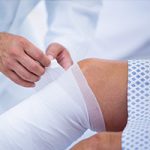
- Lifestyle changes: Lifestyle changes, such as weightloss, exercise, and compression garments can help reduce pain and swelling.
- Medications: Medications, such as pain relievers and diuretics, may be used to control pain and swelling.
- Liposuction: Liposuction can be used to eliminate fat deposits and improve the appearance of affected areas.
If you want to start your treatment for lipedema or if you want to know more about it, do not hesitate to contact Lipepedia for more information.




One Comment
I have this kind of symptoms especially the uneven shape of my legs, the pain that it causes….