English (UK)
  Español
  Italiano
  Deutsch
  Français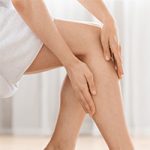
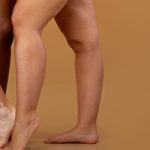

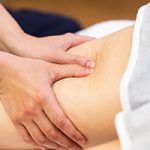


Lipedema is a chronic disease characterized by abnormal accumulation of fat in the legs and sometimes the arms. This condition, which primarily affects women, can be painful and limit mobility. However, leading a healthy life is possible with the implementation of appropriate habits.

1. Maintain a balanced diet
Opt for a diet rich in anti-inflammatory foods such as fruits, vegetables, nuts, seeds and fish. These foods help reduce inflammation and the pain associated with lipedema.
At the same time, limit the consumption of processed foods, refined sugars and trans fats. These can exacerbate inflammation Y contribute to weight gain, further complicating the management of lipedema.
To drink sufficient water It is essential to maintain good circulation and reduce fluid retention. It is recommended to consume at least 8 glasses of water a day.
2. Exercise regularly
Activities such as walking, swimming or cycling are ideal for people with lipedema and for healthy living. These exercises help improve circulation without putting too much pressure on the joints.
He training of strength is also beneficial, as it helps tone muscles and improve metabolism. Exercises can be performed with light weights or resistance bands.
Incorporating stretching and flexibility exercises, such as yoga or Pilates, can help maintain mobility and reduce pain.
3. Skin and connective tissue care
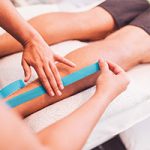
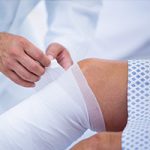
The use of compression socks It can be very helpful in controlling pain and swelling. These garments help improve circulation and prevent fluid accumulation. Also, lymphatic massages can help reduce swelling Y improve lymphatic flow. Find a therapist specialized in this type of massage to obtain the best results.
Keep your skin hydrated using appropriate lotions and creams. Dry skin can worsen lipedema symptoms.
4. Stress management
Practice relaxation techniques such as meditation, deep breathing or mindfulness can help reduce stress, which often exacerbates lipedema symptoms.
Spend time doing activities that you enjoy and relax, such as reading, listening to music, or spending time with friends and family. Maintain a balance between work and leisure It is crucial for mental health. And don't hesitate to seek psychological support if you feel overwhelmed. A therapist can help you develop strategies to manage stress and improve your emotional well-being.
5. Regular medical consultation
It is essential to have a diagnosis correct and follow a treatment plan appropriate. Consult your doctor or lipedema specialist regularly to adjust your treatment as necessary. Carry a record your symptoms and changes in your condition. This can help your doctor better understand your situation and tailor your treatment more effectively.
Explore alternative therapies such as acupuncture or light therapy, which may offer relief additional to the symptoms of lipedema. Consult your doctor before trying any new treatment.
6. Education and support
Educate yourself about lipedema and stay aware of the latest research Y treatments available. Knowing more about your condition will allow you to make informed decisions about your health.
Join to Support groups for people with lipedema. Sharing experiences and advice with others who understand your situation can be very comforting and motivating.
Participate in online communities where you can get information and support. Social networks and specialized forums can be valuable resources to connect with others and get practical advice.

7. Lifestyle adaptations
Make adjustments to your home to make daily activities easier. This may include using ergonomic furniture, grab bars in the bathroom, and comfortable, supportive shoes.
Choose comfortable clothes and that it does not restrict circulation. Tight clothing can worsen lipedema symptoms, so it is important to choose clothing that allows good circulation and is comfortable.
If you have difficulty moving, consider using mobility aids such as canes or wheelchairs. Plan your transportation to reduce physical effort and maintain your independence.
Carry one healthy life despite lipedema is possible with the adoption of appropriate habits and a proactive approach in managing the condition. Implementing a balanced diet, engaging in regular exercise, taking care of your skin, managing stress, having regular medical consultations and seeking support are essential steps to improve quality of life.
If you would like more information or have any questions about how to manage lipedema, please feel free to contact contact us. We offer you the latest in lipedema information to help you live healthy and fulfilling lives despite the challenges of lipedema.